Americans need relief from rising energy prices. That point is clear after the outcomes of this year’s elections this fall. Successful candidates focused on the cost of living, with New Jersey and Virginia’s gubernatorial-elects focused primarily on energy affordability.
While campaign ads hit the airwaves this fall, American consumers in the Great Lakes region, parts of the Midwest and California also experienced significant price volatility at the pump due to various refinery outages, disruptions, and closures that impacted gasoline supplies. Those refinery disruptions and subsequent consumer impacts at the pump illustrate the delicate balance of America’s current refining capacity.
It also illustrates the vital role that independent refiners play to ensure reliable and affordable gasoline supplies.
That’s why it’s imperative for President Trump and Congressional lawmakers to fix longstanding issues with the Renewable Fuel Standard (RFS), the national ethanol mandate, and ensure America’s domestic refiners can continue to supply more reliable, affordable consumer fuels. The RFS increases prices across the fuel supply chain. While some parts of the U.S. are experiencing more reasonable gas prices today, analysts say the ethanol mandate continues to add up to 30 cents more per gallon due to its costly and overly burdensome compliance structure.
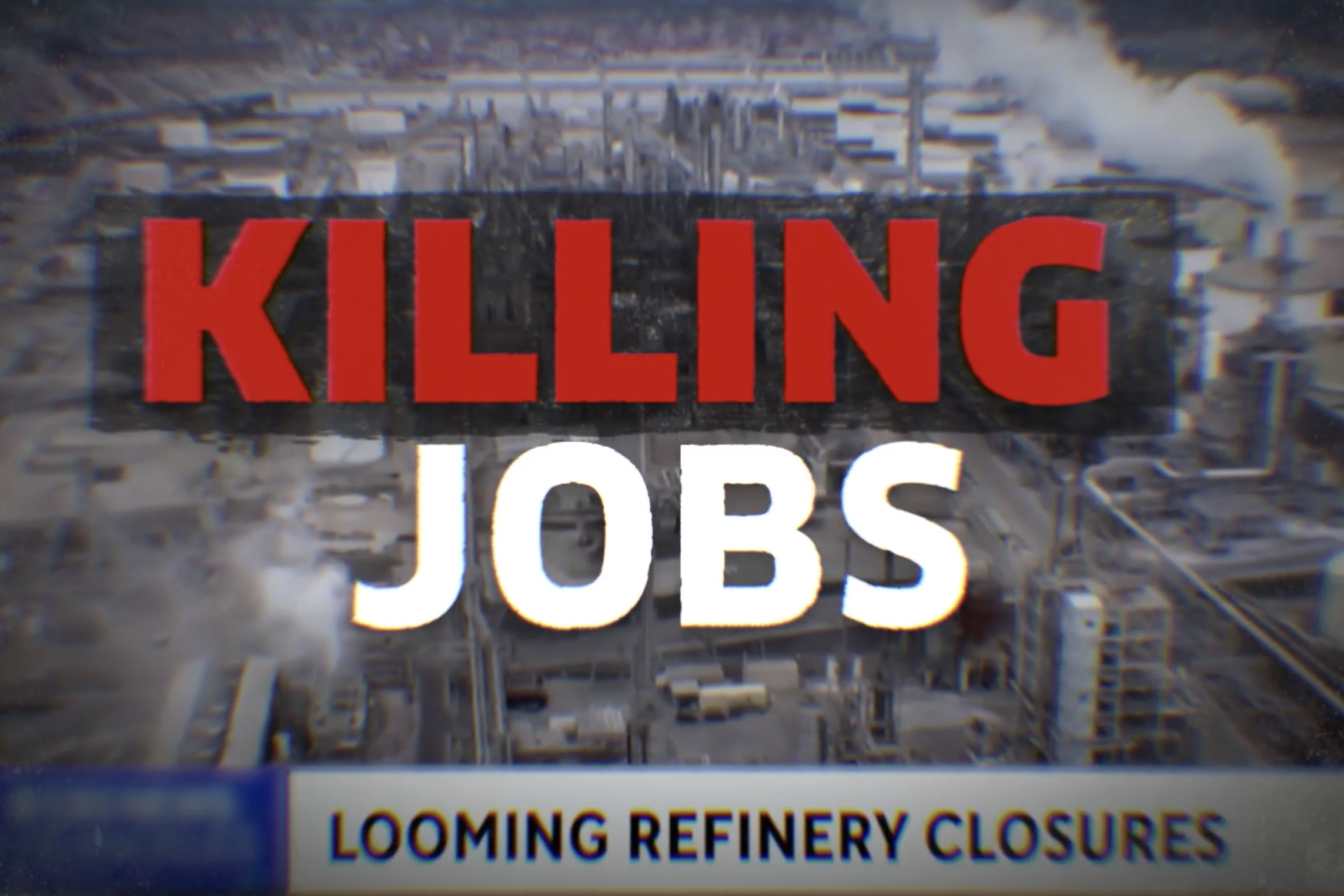
As the RFS pushes more refineries into financial distress or conversion to alternative fuels, America’s fuel supply tightens, competition shrinks, and gas prices rise even higher. And now, two new actions from the Environmental Protection Agency (EPA) threaten to make the affordability crisis even worse.
1. An unachievable ethanol mandate that the market cannot absorb
The EPA has proposed a 15-billion-gallon ethanol mandate for the 2026 and 2027 Renewable Volume Obligations, an amount that exceeds what U.S. fuel demand and infrastructure can realistically support. When compliance becomes mathematically unachievable, costs are passed through the supply chain and, ultimately, onto consumers at the pump.
2. Reallocation of Small Refinery Exemptions
At the same time, EPA is proposing to reallocate Small Refinery Exemptions, effectively treating small and independent refiners who have little to no blending capacity the same as multinational oil corporations who have vast blending and financial capacity. In practice, this would push the ethanol mandate to nearly 16 billion gallons when even 15 billion is already unachievable, accelerating refinery closures and consolidating fuel production among a handful of global companies, meaning less competition, less energy security, and higher prices.
Increasing the cost of compliance means increasing the cost of fuel. The American Fuel & Petrochemical Manufacturers warn that gas prices will climb even higher if these proposals move forward. California offers a preview for the nation, where unsustainable regulatory schemes now threaten to shut down two central refineries, wiping out 18% of the state’s refining capacity.
California already has the highest gas prices in the country.
But the affordability impacts reach far beyond the pump
When gas prices rise, so does the cost of commuting, groceries, deliveries, construction, and nearly every product that moves through our supply chain. Independent refiners also support thousands of good-paying, union jobs. When refineries close under the weight of RFS costs, workers lose paychecks, families lose stability, and entire communities take the hit. And as more refineries close, America becomes increasingly dependent on foreign fuel sources, weakening energy security and exposing U.S. consumers to global price shocks. This is something that President Trump highlighted on day one with release of his Unleashing American Energy Executive Order.
A clear policy choice and an easy affordability win
The administration has a clear choice: Allow the EPA to keep driving up gas and food prices, or reform the RFS and deliver real affordability relief. Solutions are already on the table:
-
Reduce the conventional biofuel mandate to the realistic levels EPA itself acknowledges the market can absorb—13.8 billion gallons in 2026 and 13.7a billion in 2027.
These reforms would immediately lower gas prices, stabilize U.S. refining capacity, protect American jobs, and strengthen domestic energy security. Fixing the Renewable Fuel Standard is the most direct, immediate affordability win available to policymakers and their constituents, ensuring more affordable energy for all.